Bird and pigeon help for Surprise homes and businesses
Bird Control Surprise, AZ
Pigeons beneath solar panels, birds nesting around tile roofs, or recurring droppings around patios, signs and commercial structures usually mean the property is providing dependable shelter or landing space.
Bill’s Pest Termite Control provides professional bird control, pigeon control, bird removal, exclusion, nest evaluation and cleanup recommendations throughout Surprise, Arizona. Free inspections, quotes and second opinions are available.
 Family Owned & Operated
 16-Year Award Winner
 Fully Licensed & Insured
Same-Day Pest Control Service*
*When ordered before noon

24 Hrs / 7 Days A Week Service

M-F 8AM to 5PM Call: (602) 308-4510

24/7 Text: (602) 786-7386
Inspect Before Recommending
Species, nest status, access points and primary landing areas should be understood before a control method is selected.
Homes & Businesses
Solutions can be adapted for residences, HOAs, retail properties, restaurants, warehouses and commercial facilities.
Property-Specific Solutions
Netting, screening, spikes, wire and other approaches should be matched to the structure and actual bird pressure.
Second Opinions Welcome
Already have a bird-control proposal? Bill’s can inspect the affected areas and provide another professional perspective.
Built around West Valley property conditions
Why Bird Control in Surprise Requires a Local Approach
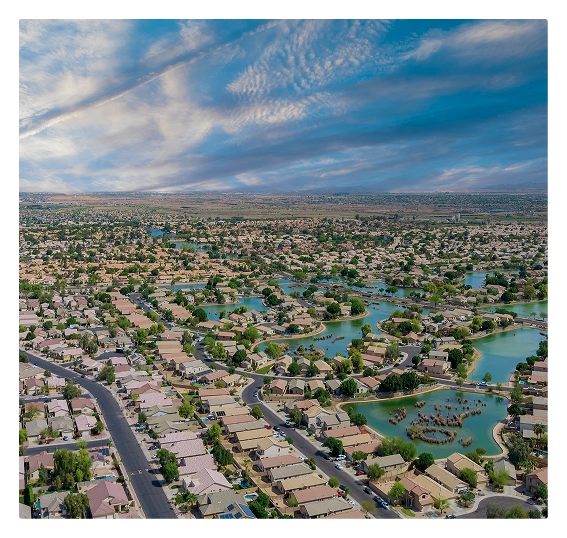
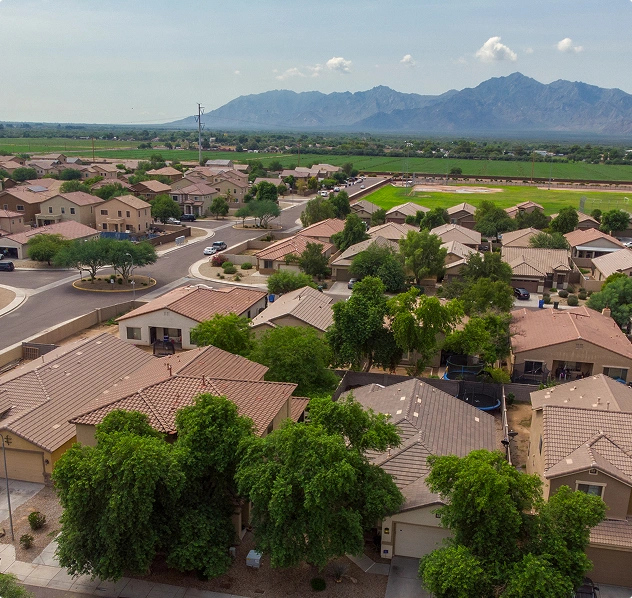
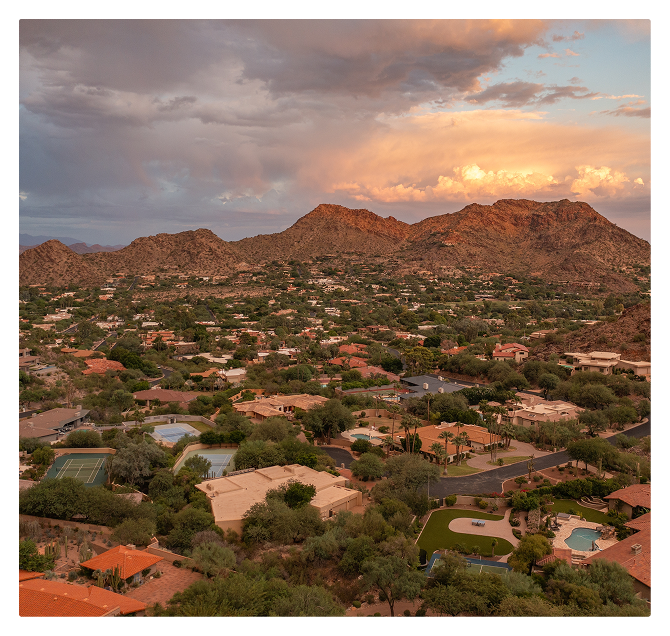
Surprise combines established neighborhoods, rapidly growing master-planned communities, active-adult developments, rooftop solar, irrigated landscaping, retail centers and major industrial growth along Loop 303. Those environments create different combinations of shade, water, shelter and elevated landing surfaces for birds.
Marley Park & Surprise Farms
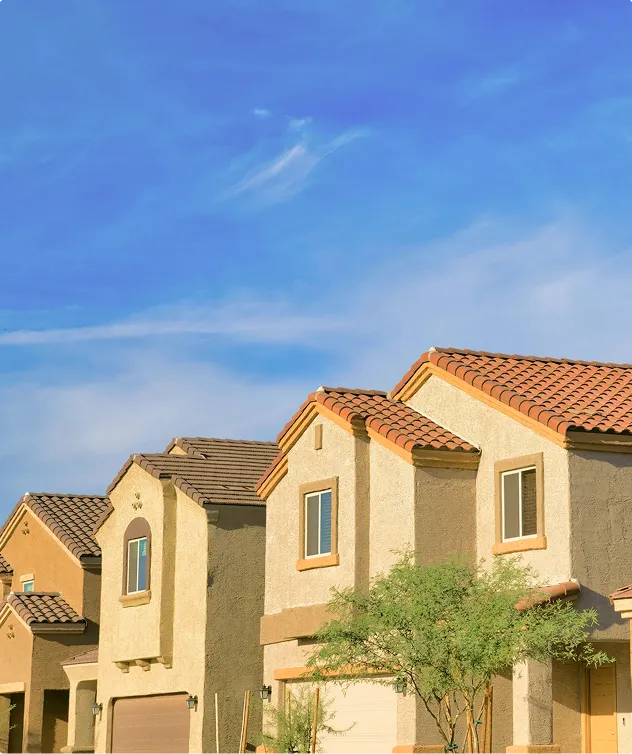
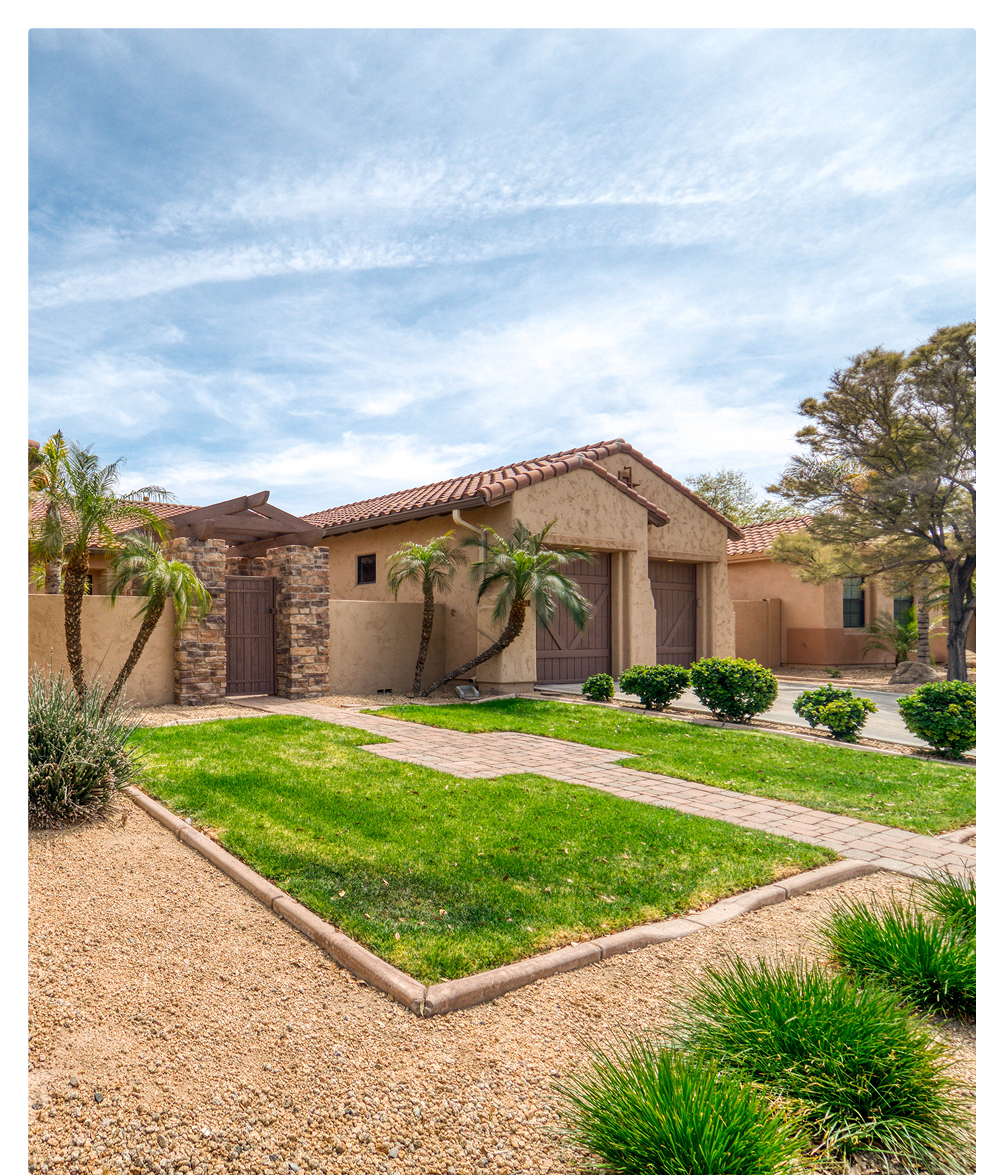
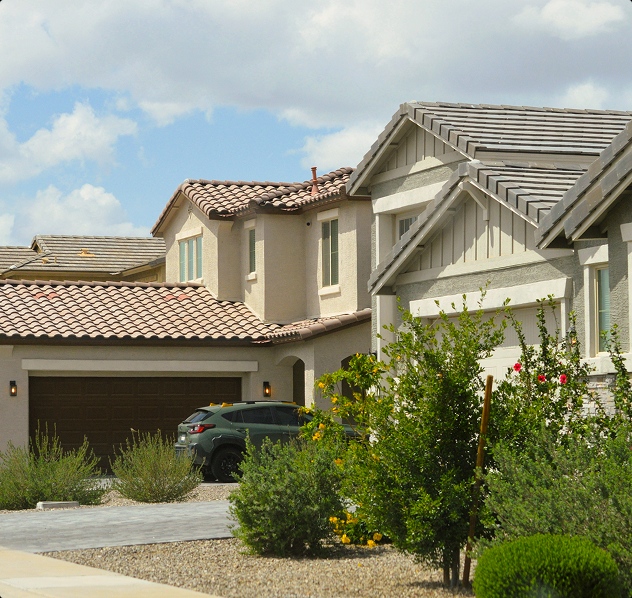
Tile roofs, patios, landscaped yards and rooftop solar can provide pigeons with several dependable shelter and landing locations.
Active-Adult Communities
Mature landscaping, water features, golf-course environments and large roof areas can support recurring bird activity when structures also provide shelter.
Loop 303 Industrial Growth
Warehouses, loading canopies, exposed beams, parapets and rooftop equipment can create connected commercial roosting zones.
Village at Prasada & Retail Areas
Storefront signs, outdoor dining areas, roof edges and covered walkways can offer reliable landing surfaces near food and water sources.
Signs You May Need Bird or Pigeon Control
Seeing an occasional bird is normal. Repeated activity in the same location is more likely to indicate that a dependable roost, shelter or nesting area has been established.
Common Birds Around Surprise Properties
Species identification matters because nesting behavior, legal protections and appropriate management options can differ between pigeons, house sparrows, European starlings and native or migratory birds.
What Our Customers Are Saying


Effective Pigeon Control Surprise Starts With Why Birds Return
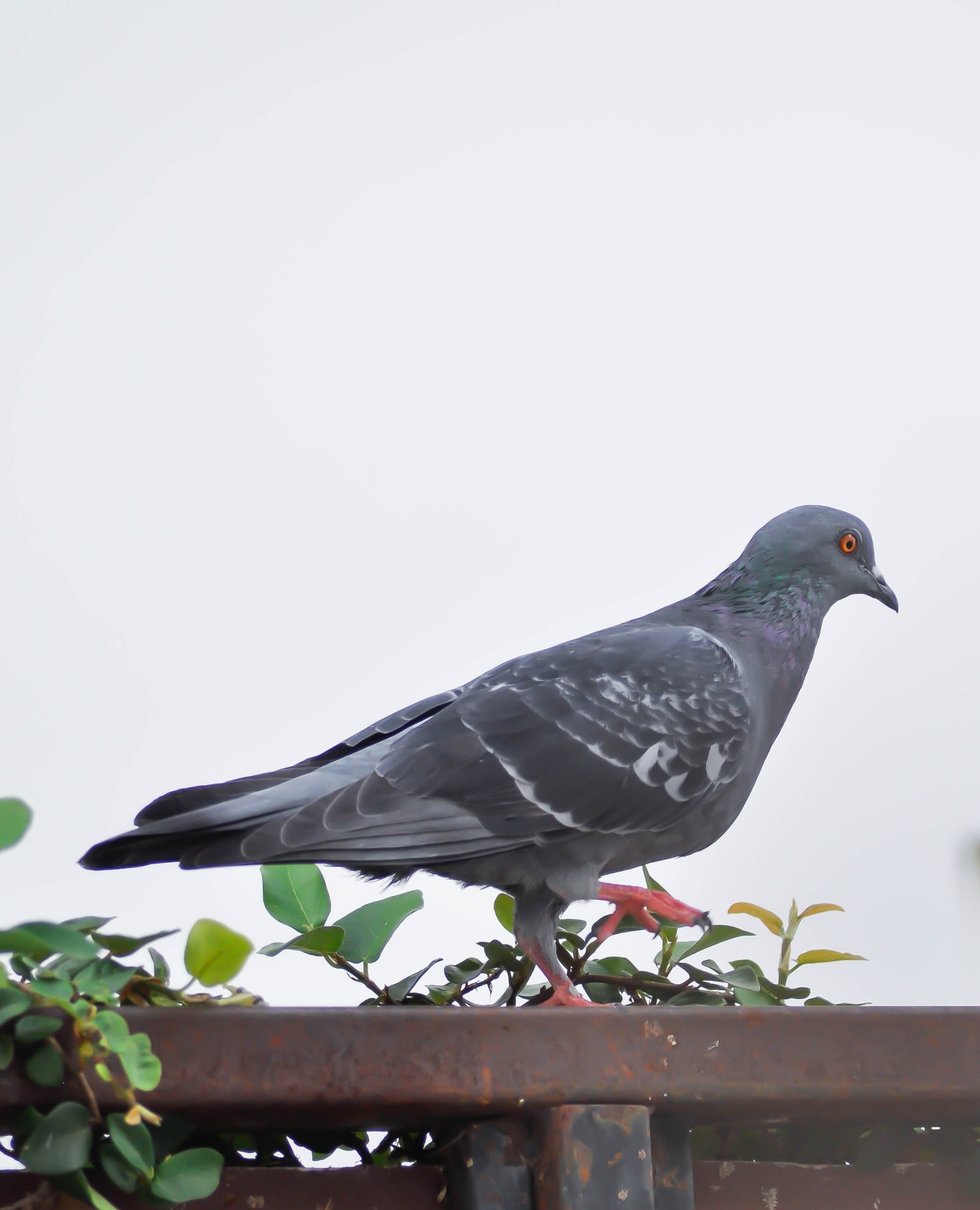
Pigeons are persistent when a property provides dependable shelter and stable landing surfaces. A solar array may provide shade, a parapet may create a protected resting point, or a structural opening may lead to a quiet nesting cavity.
Cleaning droppings or repeatedly chasing pigeons away does not change those structural advantages. Long-term pigeon control generally focuses on the access points and surfaces that make a property useful to birds.
- Shelter: solar-panel gaps, tile voids, eaves, patios, warehouses and equipment areas.
- Landing surfaces: ledges, parapets, signs, beams and roof peaks.
- Food and water: unsecured waste, outdoor dining, irrigation, pet food and intentional feeding can reinforce bird activity.
- Uncorrected access: one overlooked opening may allow birds to continue using a structure after nearby areas are protected.
Bird and Pigeon Control Solutions for Surprise Properties
The appropriate solution depends on the bird species, structure and exact pressure point. Some properties need one targeted correction; others require several coordinated methods.
Properly designed netting can exclude birds from loading areas, commercial canopies, covered structures and other spaces where physical separation is appropriate.
These systems may be useful on suitable ledges, signs, parapets and roof surfaces when coverage, appearance and maintenance access are considered.
A fitted perimeter barrier may restrict pigeon access beneath panels while maintaining ventilation and necessary equipment access.
Vents, soffits, eaves, sign cabinets and other openings may require screening or access correction when birds are entering a structure.
Droppings and nesting debris should be evaluated according to amount, location, surface condition and potential exposure.
For established pigeon pressure, population-management options may sometimes complement physical exclusion when appropriate for the property.
Pigeon Control for Solar Panels in Surprise
Solar panels can provide pigeons with shade, elevation and protected space beneath the array. Homeowners may notice repeated cooing, droppings beneath panel edges, nesting material or pigeons disappearing beneath the system.
Removing nesting material without restricting access can leave the same protected location available for reuse. When appropriate, solar pigeon control may include removal of accessible debris and perimeter screening designed to reduce access beneath the panels.
Roofing materials, solar mounting systems and manufacturer requirements vary. Attachment methods, ventilation, future maintenance access and applicable equipment or installer requirements should be reviewed before installation rather than relying on blanket warranty guarantees.
Learn more about Bill’s pigeon proofing for solar panels.

Species and nest status matter
Bird Nest Removal Surprise and Pigeon Nest Removal
Bird nest removal is not simply a matter of removing visible nesting material. The bird species and current status of the nest should be identified before it is disturbed.
Pigeons, house sparrows and European starlings may be treated differently from native and migratory birds protected under federal law. If eggs, chicks or dependent young are present, restrictions may apply depending on the species and circumstances.
When legally appropriate, inactive nesting material can be removed, cleanup needs evaluated and access points addressed so the same opening or protected location is less likely to be reused.
For general guidance, see the U.S. Fish and Wildlife Service information about bird nests.

Bird Dropping Cleanup Should Match the Conditions
Bird droppings can contain microorganisms, and disturbing significant amounts of dry material can create airborne dust. The actual level of concern depends on the amount of material, location, disturbance and exposure circumstances.
Professional cleanup may include controlled removal of droppings and nesting debris, appropriate protective equipment and cleaning procedures selected for the affected surfaces. Dry sweeping dusty accumulations should be avoided.
For general occupational guidance, review CDC/NIOSH recommendations regarding bird-dropping cleanup and exposure control.
Bird Pest Control Surprise for Homes and Businesses
A pigeon problem beneath residential solar panels is very different from recurring bird activity around a Loop 303 warehouse, retail center, restaurant or commercial sign. The service plan should reflect how the property is designed and used.
Residential Bird Control Surprise
Typical concerns include pigeons beneath solar panels, droppings around patios and pools, nesting around tile roofs and birds using balconies, eaves or covered outdoor areas.
Residential recommendations should consider appearance, roof access, family and pet use, HOA requirements and future maintenance.
Commercial Bird Control Surprise
Businesses may need to address loading docks, warehouses, storefronts, signs, outdoor dining areas, covered walkways and rooftop equipment while minimizing disruption.
Commercial planning should identify priority zones, access limitations, operating-hour constraints, equipment access and customer-facing areas.
Learn more about Bill’s commercial bird-control services.
When DIY Bird Deterrents Are Unlikely to Be Enough
Securing trash, reducing unnecessary food and water sources and correcting simple openings can help reduce bird pressure. Arizona sun and heat should also be considered when selecting exterior materials because products vary substantially in UV resistance, construction and expected service life.
Visual scare devices may temporarily change bird behavior, but pigeons can become accustomed to deterrents that do not physically change access to a preferred roost or nesting location.
Professional evaluation becomes more useful when birds are nesting beneath solar panels, entering structural cavities, repeatedly returning after cleanup, occupying difficult roof areas or creating significant accumulations of droppings and debris.
A straightforward process
What Happens During a Free Bird-Control Inspection?
You do not need to know which bird-control product to request. Start by showing the inspector what you are seeing and where the activity occurs.
- Inspect the Activity
Review the history, affected surfaces, current bird activity, nesting signs and accessible areas. - Find the Pressure Points
Identify primary landing areas, structural openings, sheltered spaces and relevant food or water conditions. - Explain the Options
Discuss what can reasonably be addressed, the proposed method, access requirements and relevant limitations. - Review the Quote
Receive a property-specific recommendation that you can consider without pressure. Second opinions are welcome.
Arizona Licensing and Scope Matter for Bird-Control Work
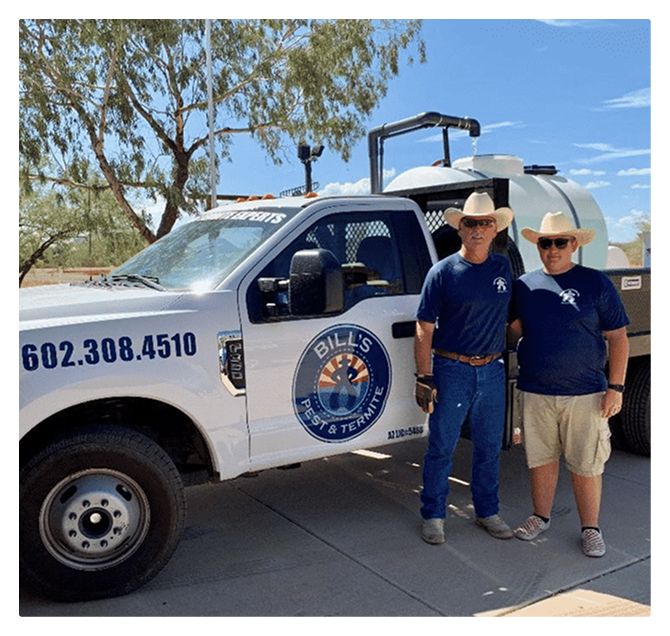
Bill’s Pest Termite Control states that it operates under Arizona License #5468 and is licensed and insured. Bird-related pest concerns can involve different scopes, including site assessment, exclusion or deterrent options, cleanup recommendations, pesticide use when appropriate, and attachment or repair work. The appropriate scope depends on the property and the specific service being discussed.
Arizona Pest Management Division rules can apply when qualifying pest-management activity or pesticide use is involved. Construction, repair or attachment work may also require review under applicable Arizona Registrar of Contractors requirements. Ask any provider to confirm current credentials, insurance, the work they are qualified to perform and whether separate property or trade review is needed before work begins.
Learn more from the Arizona Pest Management Division and the Arizona Registrar of Contractors.
Local Experience Without a One-Size-Fits-All Approach
Bill’s Pest Termite Control is a family-owned, locally operated Arizona company with three generations of service experience. Bird-control recommendations are based on what the technician finds at the property rather than automatically prescribing the same product for every problem.
Free inspections, hassle-free quotes and second opinions allow Surprise property owners to understand the proposed scope before deciding how to proceed. Warranty availability and terms depend on the specific service, materials and treated areas and should be reviewed with the written proposal.
What a Good Bird-Control Proposal Should Explain
- Where birds are landing, entering, roosting or nesting
- Why the recommended control method fits those areas
- Which areas of the property are included and excluded
- Relevant preparation, maintenance, follow-up and warranty terms
Other Bill’s Services in Surprise
Surprise property owners can also explore Bill’s local pest, termite and rodent-control services.
Nearby West Valley Bird-Control Service Areas
Bill’s also provides bird and pigeon control information for nearby West Valley communities.
Frequently Asked Questions About Bird Control in Surprise, AZ
The right answer depends on the species, nest status, structure, access and severity of the bird activity.
Start With the Areas Where the Birds Keep Returning
Whether the problem involves pigeons beneath solar panels, nesting around a tile roof, droppings on a patio or recurring bird activity around a commercial property, an inspection can identify the pressure points and help determine the next practical step.