
Professional Termite Service for Phoenix Homes & Businesses
Termite Treatment Phoenix AZ
Finding mud tubes, swarmers, discarded wings or suspicious wood damage can raise a lot of questions. Bill’s Pest & Termite Control provides professional termite inspections and treatment in Phoenix, with recommendations based on the evidence, likely termite type, property construction and areas that can be accessed.
Same-Day Pest Control Service*
*When ordered before noon

24 Hrs / 7 Days A Week Service

M-F 8AM to 5PM Call: (602) 308-4510

24/7 Text: (602) 786-7386

Quick Answer
How Professional Termite Treatment Works
Termite treatment starts with evidence, not assumptions. An inspection helps determine whether visible signs appear termite-related, where activity may be occurring and which treatment approach is appropriate for the structure.
Depending on the findings, a plan may involve a liquid soil-applied termiticide, termite baiting, localized wood treatment or another label-directed approach. No single method is appropriate for every property.
Warning Signs
Signs That Deserve a Termite Inspection
A single symptom does not always confirm an active infestation, but these signs are worth documenting and professionally evaluating.
Mud Tubes
Earthen tubes along foundations, walls or other surfaces can be associated with subterranean termite activity and should be evaluated.
Indoor Swarmers
Winged termites or repeated piles of discarded wings indoors can be a significant reason to schedule an inspection.
Suspicious Wood Damage
Hollow, weakened or visibly damaged wood may have several causes, including termites, and deserves closer evaluation.
Pellets or Frass
Small, hard pellets beneath wood may be consistent with drywood termite activity and should be professionally checked.

Arizona Termite Environment
Why Termites Are a Concern in Phoenix
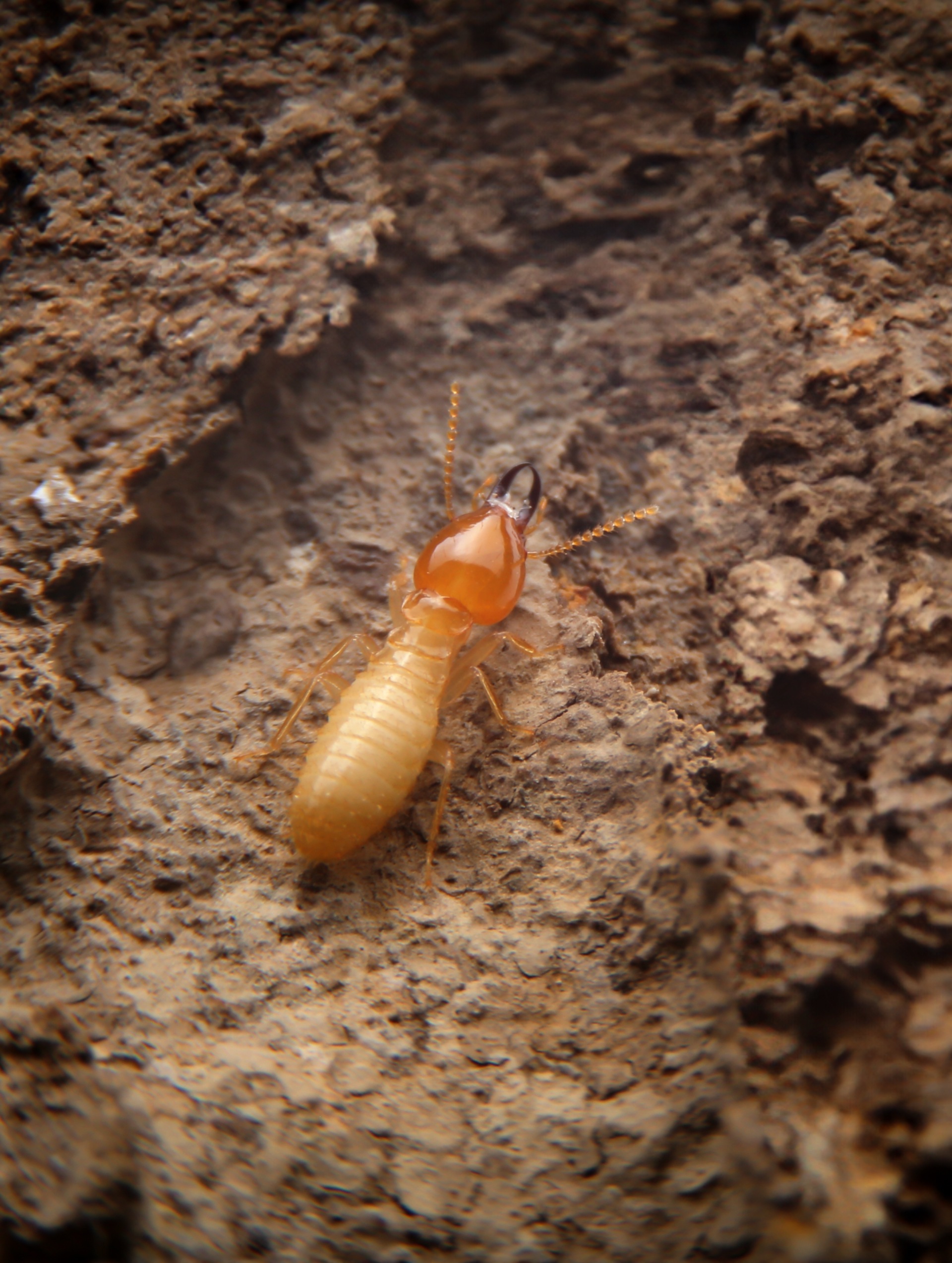
Subterranean termites are established throughout Arizona’s desert environment and forage through soil for cellulose sources. Structures built in termite-active areas may become accessible when termites encounter conditions that allow them to reach wood or other cellulose-containing materials.
Termite activity can remain concealed in soil, wall voids and wood components, which means visible evidence may represent only part of what is happening.
A preconstruction termite treatment does not mean a property will remain termite-free indefinitely. Soil disturbance, remodeling, additions, irrigation changes and other property alterations can affect previously treated areas.
Inspection First
What Happens During a Termite Evaluation?

The purpose of the inspection is to evaluate the evidence, identify relevant conditions and determine whether treatment should be recommended.

1. Review the Evidence
2. Inspect Relevant Areas
3. Evaluate Conditions
4. Review Recommendations
Compare Before You Decide
Need a Second Opinion on a Termite Proposal?
If you have already received a termite treatment proposal, a second inspection can help you compare the findings, treatment scope, warranty terms and pricing before making a decision. If evidence does not support treatment, we will explain that as well.

Property-Specific Treatment
How Is the Right Termite Treatment Selected?
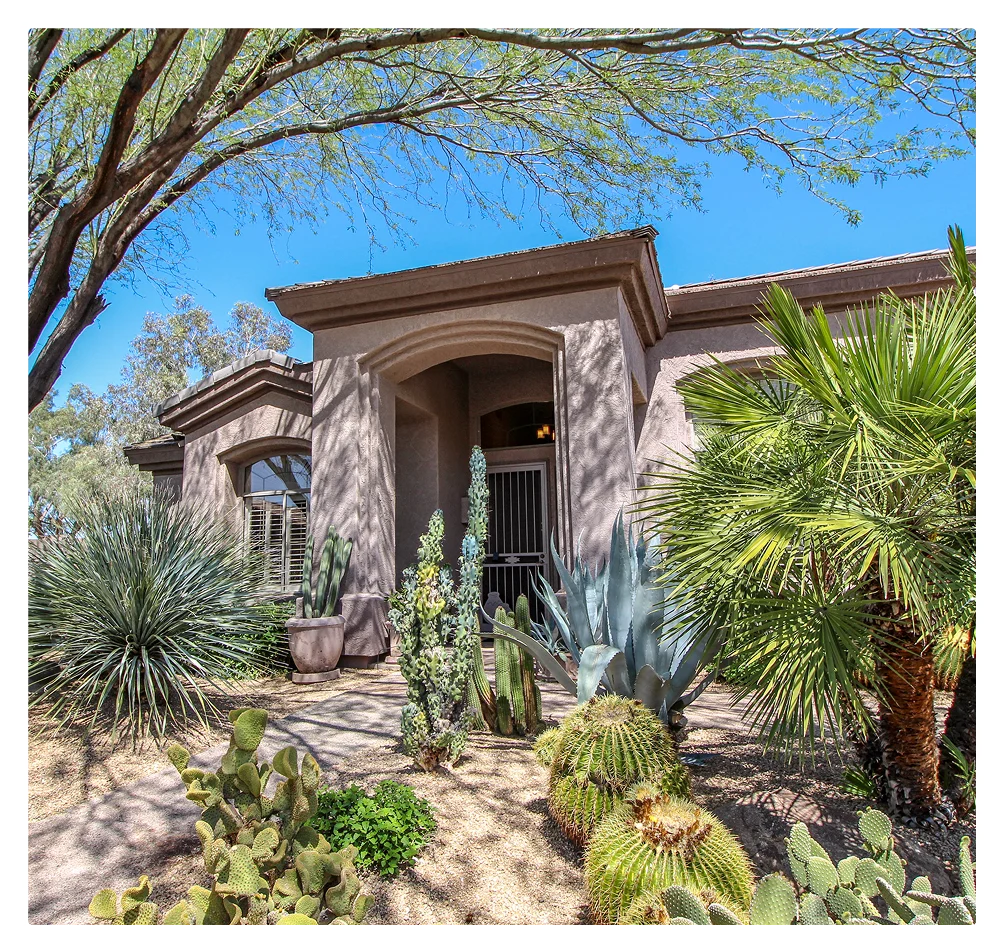
There is no single best treatment for every termite problem. Recommendations depend on the likely termite type, where evidence is found, how the building is constructed, which areas are accessible and whether previous treatment or soil disturbance affects the property.
- Termite type
- Location of activity
- Foundation construction
- Accessibility
- Previous treatments
- Warranty & follow-up needs

Treatment Methods
Comparing Termite Treatment Options
Professional termite plans may use EPA-registered pesticide products when appropriate and should follow product-label requirements. The treatment selected should reflect the property and inspection findings.
| Treatment Method | How It Works | When It May Be Considered |
|---|---|---|
| Liquid Soil-Applied Termiticides | Creates label-directed treated soil zones around or beneath appropriate portions of a structure to help manage subterranean termite entry. | Subterranean termite activity where soil treatment is appropriate to the construction and access conditions. |
| Termite Baiting Systems | Stations are placed and serviced on a scheduled basis so foraging subterranean termites can encounter the bait system. | Properties where monitoring and baiting are appropriate or where soil treatment presents practical limitations. |
| Localized / Wood Treatments | Label-directed products may be applied to accessible wood or localized areas when appropriate to the termite type and construction. | Certain drywood termite situations, accessible wood or specific construction/remodeling conditions. |
Residential Service
Residential Termite Treatment Phoenix AZ
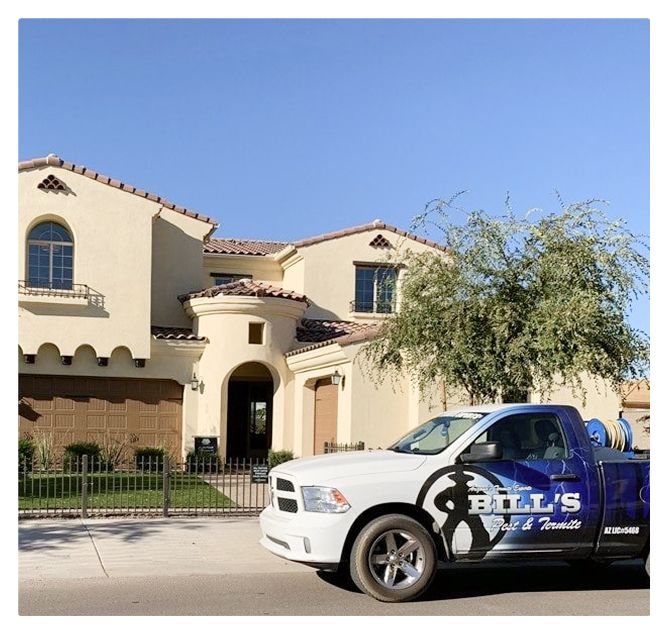
Phoenix homes vary in age, foundation type, additions, patios, plumbing penetrations, landscaping and previous termite treatment history. Those details can affect where termite evidence appears and how treatment is performed.
Our goal is to explain what we found, why a specific treatment is being recommended and any preparation, follow-up or warranty terms that apply before work begins.

Business & Property Management
Commercial Termite Treatment Phoenix AZ
Commercial properties may require termite treatment that accounts for operating hours, tenant access, public areas, equipment, construction type and areas where disruption needs to be minimized.
Treatment recommendations can be coordinated with owners, managers and facility personnel so the scope, access requirements and follow-up plan are clear before service begins.
Setting Expectations
What Termite Treatment Can—and Cannot—Do
Treatment Can:
- Address termite activity according to the selected treatment method.
- Create treated zones or monitored bait systems where appropriate.
- Include follow-up and warranty provisions depending on the selected plan.
- Help reduce future risk when paired with inspection and property maintenance.
Treatment Does Not:
- Repair wood that termites have already damaged.
- Guarantee that a structure will never experience termite activity again.
- Replace future inspections where they are recommended or required.
- Make every property suitable for the same treatment method.

Common Homeowner Questions
Cost, Treatment Longevity & Warranty
How Much Does Treatment Cost?
Pricing varies with property size, construction, treatment method, access and inspection findings.
How Long Does Treatment Last?
Longevity varies by product, method, soil conditions, irrigation and later disturbance of treated areas.
What Does the Warranty Cover?
Warranty terms depend on the selected service agreement, renewal requirements and treatment scope.
Property Maintenance
Practical Ways to Reduce Conditions That Favor Termites
Property maintenance cannot guarantee that termites will never appear, but it can reduce moisture and cellulose conditions that may contribute to termite activity or make inspection more difficult.
Correct Moisture Problems
Reduce Wood-to-Soil Contact
Keep Foundation Areas Visible
Remove Cellulose Debris
Watch Soil Disturbance
Use Periodic Inspection
Arizona Termite Experience
Why Phoenix Property Owners Choose Bill’s
Bill’s Pest & Termite Control is a family-owned Arizona company with three generations of experience and more than 8,000 five-star reviews. We focus on clear inspection findings, straightforward recommendations and treatment plans based on the property rather than a one-size-fits-all approach.
- Three Generations
- Inspection-Based Recommendations
- Clear Treatment Options
- Warranty Options Available
Warranty options may be available depending on the selected service plan; terms are explained before service.

Phoenix Termite Treatment FAQ
Frequently Asked Questions

Termite Knowledge Center
Learn More About Termites in Phoenix
Use these homeowner guides to dig deeper into identification, inspections, treatment options, cost, longevity, damage and warranties.
- Termite Treatment Guide Phoenix AZ →
- How Long Does Termite Treatment Last? →
- Termite Treatment Cost Phoenix AZ →
- Signs of Termites in Phoenix →
- Termite Damage Phoenix AZ →
- How to Get Rid of Termites in Phoenix →
- What Do Termites Look Like? →
- Arizona Termites & Species Guide →
- Termite Barrier Installation →
- Termite Bait Stations →
- Termite Inspection Phoenix AZ →
- Arizona Termite Warranty →
Found Termite Evidence?
Start With an Inspection and a Clear Recommendation
If you found mud tubes, swarmers, discarded wings or suspicious wood damage, an evaluation can help determine whether termite activity is present and which treatment options should be considered.
Trusted Termite Resources
For additional Arizona-specific information, see the Arizona Department of Agriculture homeowner termite guidance and the U.S. EPA termite identification and control guide