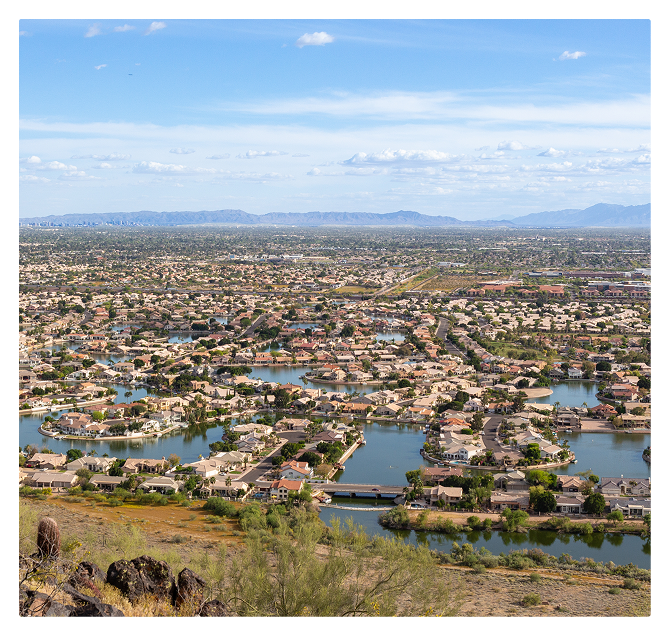
Local bird and pigeon help for Buckeye homes and businesses
Bird Control Buckeye, AZ
Pigeons under solar panels, birds nesting in roof openings, or recurring droppings around patios, signs and commercial buildings usually indicate that the property is providing dependable shelter or landing space.
Bill’s Pest Termite Control provides professional bird control, pigeon control, bird removal, exclusion, nest evaluation and cleanup recommendations throughout Buckeye, Arizona. Free inspections, quotes and second opinions are available.
Same-Day Pest Control Service*
*When ordered before noon

24 Hrs / 7 Days A Week Service

M-F 8AM to 5PM Call: (602) 308-4510

24/7 Text: (602) 786-7386
Customized Pigeon Control for Every Property
Inspect Before Recommending
Species, nesting activity, access points and primary landing areas should be understood before choosing a control method.
Residential & Commercial
Solutions can be adapted for homes, HOAs, retail centers, warehouses, offices, restaurants and operational facilities.
Property-Specific Solutions
Netting, screening, spikes, wire and other methods should be matched to the structure and actual bird pressure.
Second Opinions Welcome
Already have a pigeon-control proposal? Bill’s can inspect the affected areas and provide another professional perspective.
Built around local property conditions
Why Bird Control in Buckeye Requires a Local Approach
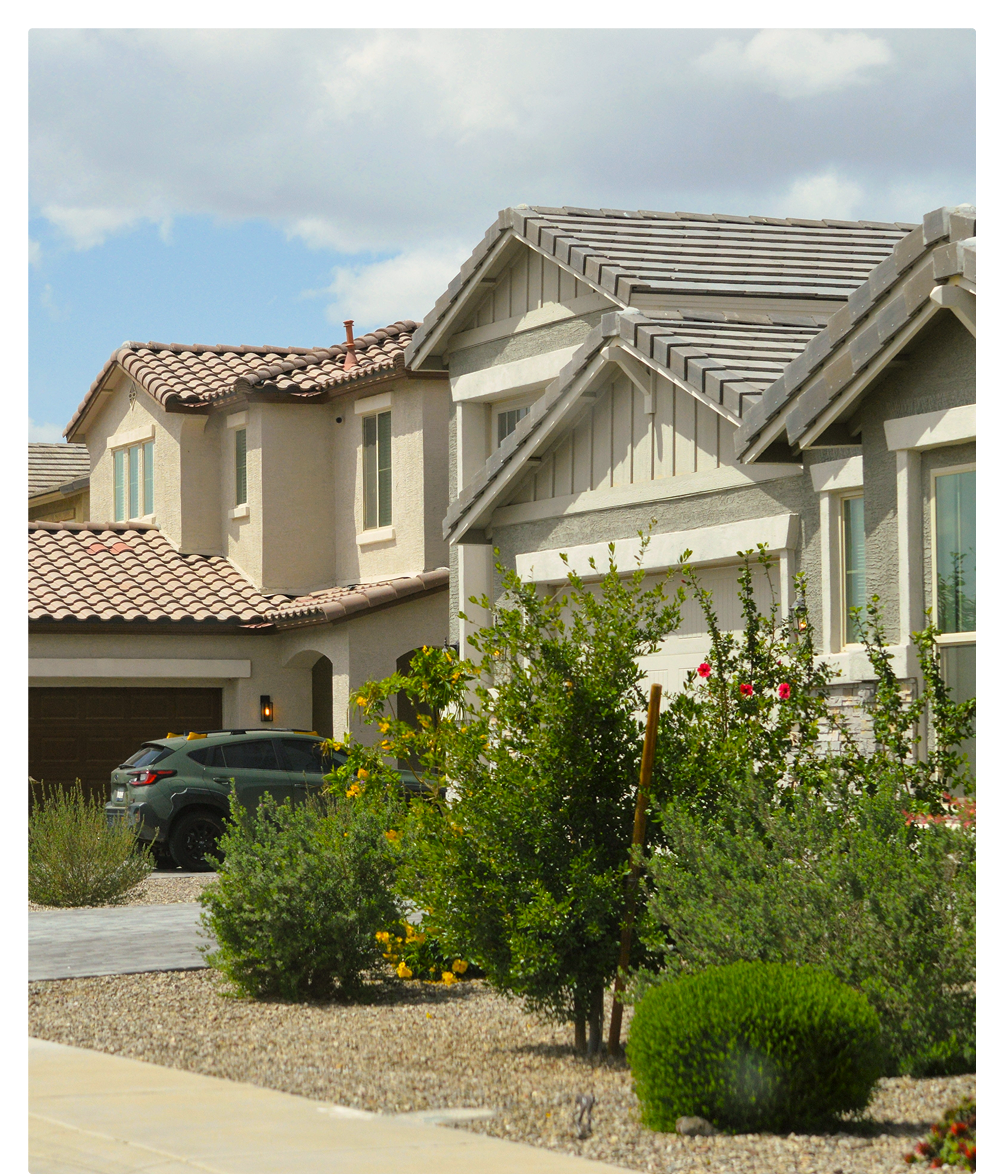
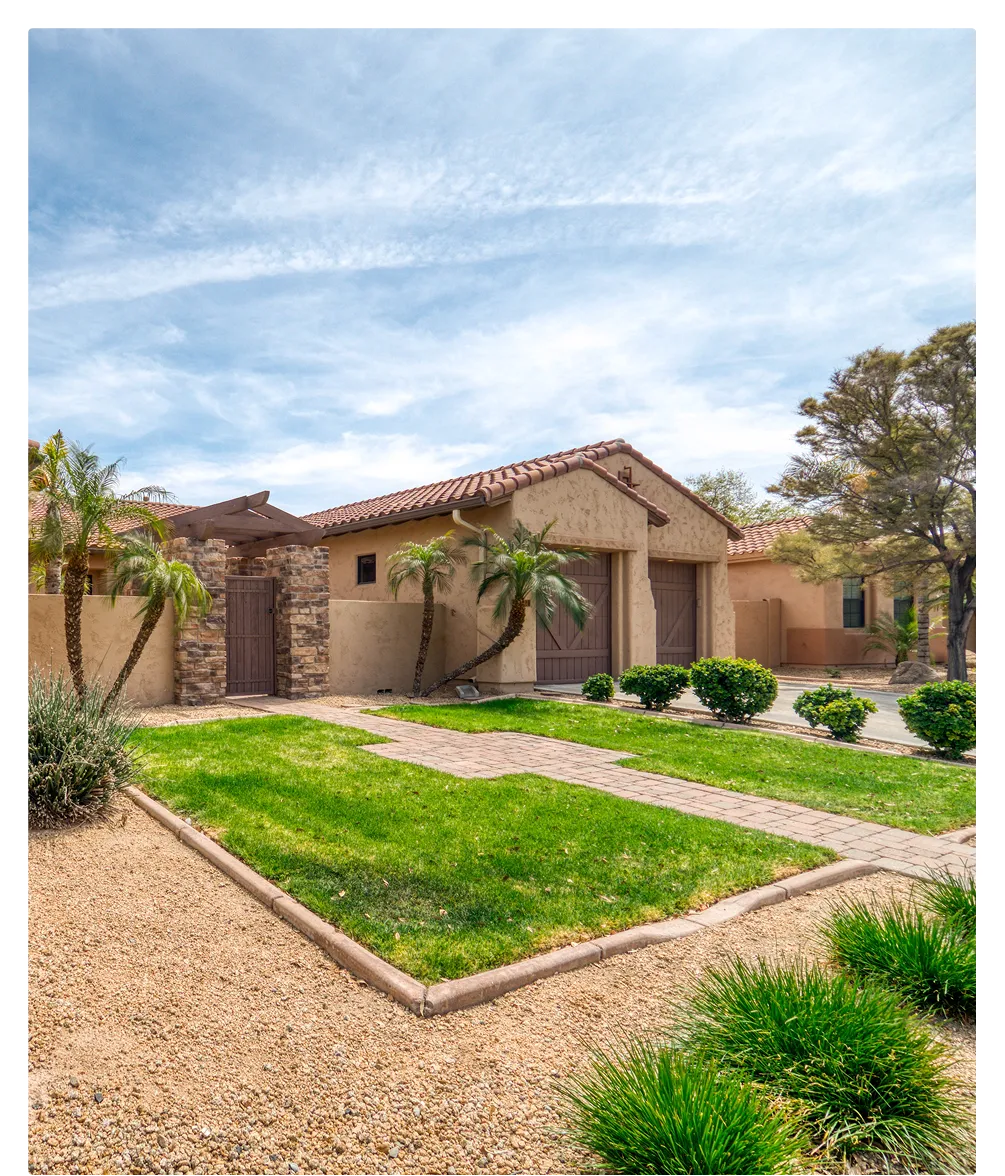
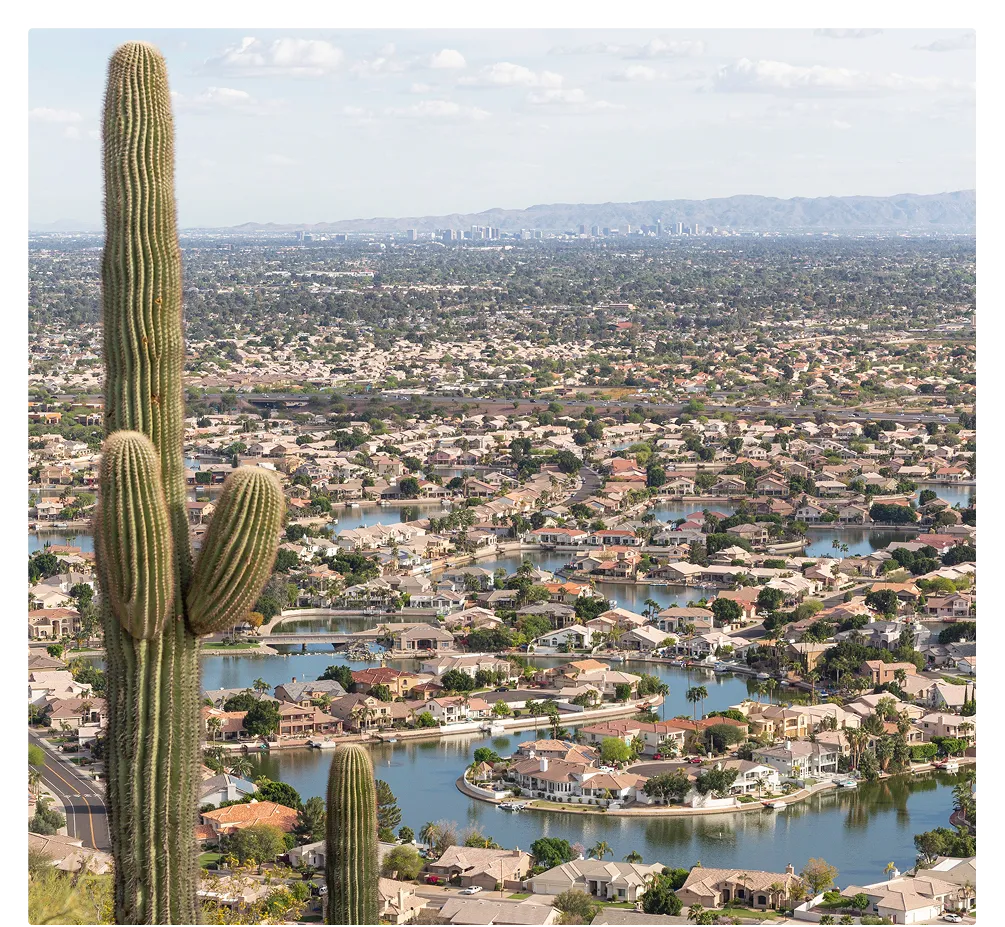
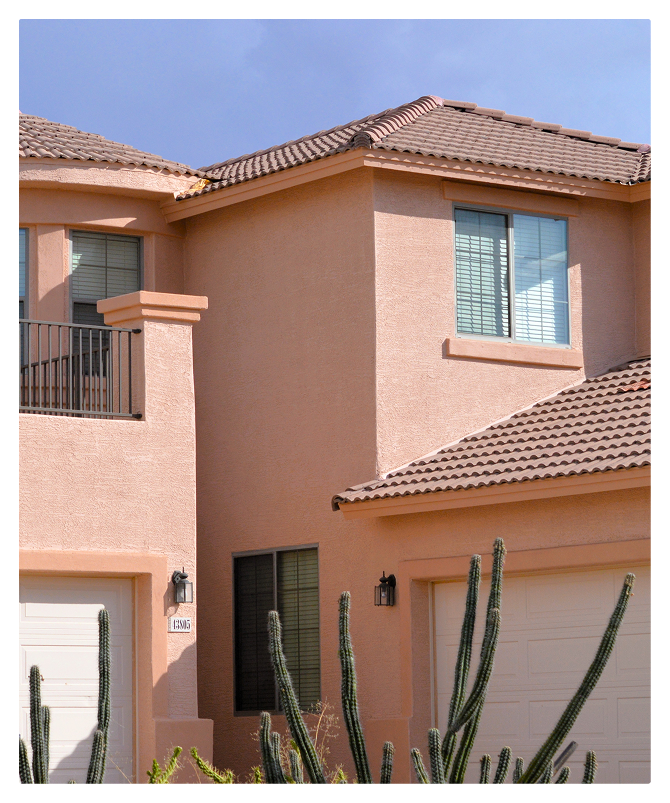
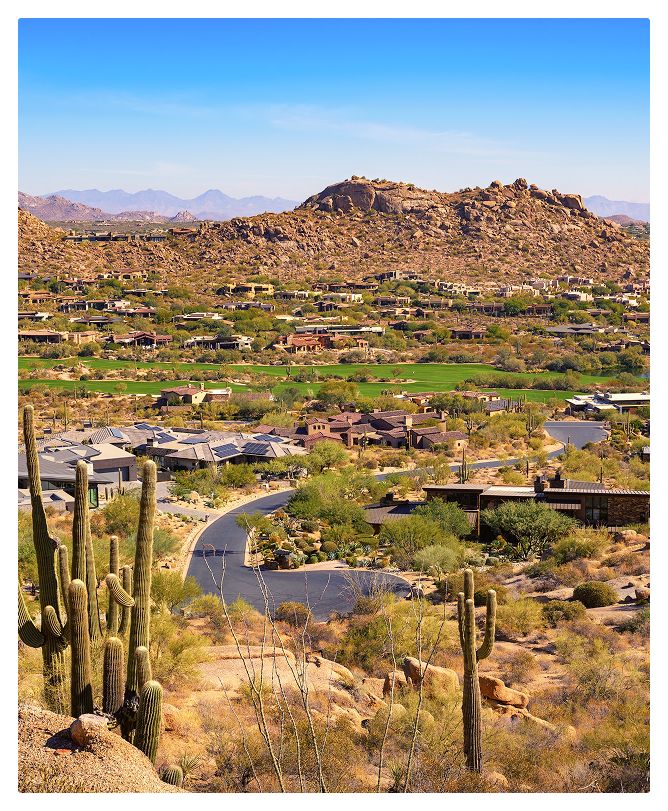
Buckeye combines fast-growing residential communities, desert-edge properties, rooftop solar, tile-roof construction and expanding commercial and logistics corridors. Those environments create very different combinations of shelter, landing surfaces, food and water for pigeons and other pest birds.
Recognize the pattern
Signs You May Need Bird or Pigeon Control
Seeing an occasional bird is normal. Repeated activity in the same location is more likely to indicate that a dependable roost, shelter or nesting area has been established.
Effective Pigeon Control Buckeye Starts With Why Birds Return
Pigeons are persistent when a property provides dependable shelter and stable landing surfaces. A solar array may offer shade, a parapet may provide a protected resting location, or an opening may lead to a quiet nesting cavity.
Cleaning visible droppings or chasing pigeons away does not change those physical advantages. Effective pigeon control generally focuses on the access points and surfaces that make the property useful to birds.
- Shelter: solar-panel gaps, tile voids, eaves, canopies and equipment areas.
- Landing surfaces: ledges, signs, parapets, beams and roof peaks.
- Food and water: unsecured waste, food residue, irrigation and intentional feeding can reinforce bird activity.
- Uncorrected access: one overlooked opening may allow birds to continue
Common Pest Birds Around Buckeye Properties
Species identification matters because pigeons, house sparrows, European starlings and protected native birds do not necessarily require the same response.
Bird and Pigeon Control Solutions for Buckeye Properties
The appropriate method depends on the bird species, structure and exact pressure point. Some properties need one targeted correction; others require several coordinated methods.
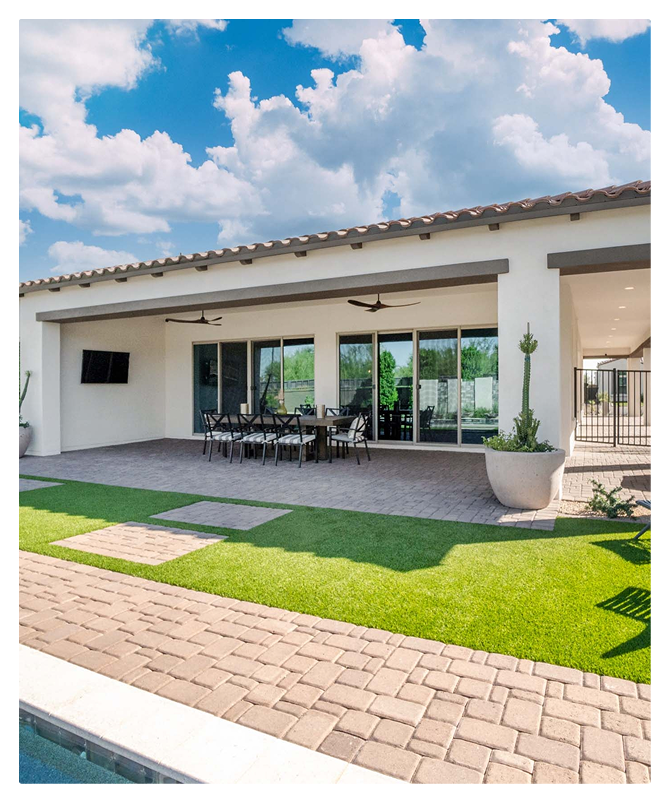
Pigeon Control for Solar Panels in Buckeye
Solar panels can provide pigeons with shade, elevation and protection from weather and predators. Homeowners may first notice cooing from the roof, droppings below panel edges, nesting debris or pigeons repeatedly disappearing beneath the array.
Removing nesting material without restricting access can leave the same protected area available for reuse. When appropriate, solar pigeon control may include removal of accessible debris and perimeter screening designed to reduce access beneath the panels.
Roofing materials, solar mounting systems and manufacturer requirements vary. Attachment methods, future maintenance access and any applicable equipment requirements should be reviewed before installation rather than relying on blanket warranty guarantees.
Learn more about Bill’s pigeon proofing for solar panels.
Removal requires identification first
Bird Nest Removal Buckeye and Pigeon Nest Removal
Bird nest removal is not simply a matter of pulling down visible nesting material. The species and current status of the nest should be identified before it is disturbed.
Pigeons, house sparrows and European starlings may be treated differently from native and migratory birds protected under federal law. If eggs, chicks or dependent young are present, restrictions may apply depending on the species and circumstances.
When legally appropriate, inactive nesting material can be removed, cleanup requirements evaluated and access points addressed so the same structural opening is less likely to be reused.
For general guidance, see the U.S. Fish and Wildlife Service information about bird nests.
Bird Dropping Cleanup Should Match the Conditions
Bird droppings can contain microorganisms, and disturbing large amounts of dried material can create airborne dust. The actual level of risk depends on the amount of material, location, disturbance and exposure circumstances.
Professional cleanup may include controlled removal of droppings and nesting debris, appropriate protective equipment and cleaning procedures selected for the affected surfaces. The objective is to remove contamination without unnecessarily spreading dusty material.
For general occupational guidance, review CDC/NIOSH recommendations regarding bird-dropping cleanup and exposure control.
Bird Pest Control Buckeye for Homes and Businesses
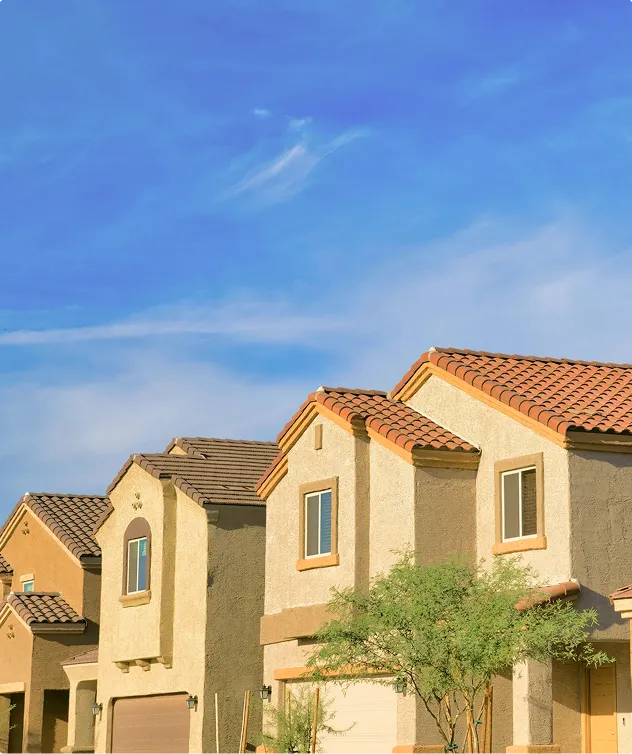
A pigeon problem beneath a residential solar array is very different from a flock occupying a warehouse loading canopy. The service plan should reflect how the property is designed and used. Learn more about Bill’s commercial bird-control services.
Residential recommendations should consider appearance, roof access, family and pet use, HOA requirements and future maintenance.
Commercial planning should identify priority zones, equipment and maintenance access, operating-hour constraints and ongoing inspection responsibilities.
When DIY Bird Deterrents Are Unlikely to Be Enough
Securing trash, reducing unnecessary food and water sources and correcting simple openings can help reduce bird pressure. Visual scare devices may temporarily change behavior, but pigeons often become accustomed to deterrents that do not physically alter access to a preferred roost or nest.
Professional evaluation becomes more useful when birds are nesting beneath solar panels, entering structural cavities, repeatedly returning after cleanup, occupying areas requiring roof or lift access, or creating substantial accumulations of droppings or nesting debris.
A straightforward process
What Happens During a Free Bird-Control Inspection?

You do not need to know which bird-control product to request. Start by showing the inspector what you are seeing and where the activity occurs.

1. Inspect the Activity
2. Find the Pressure Points
3. Explain the Options
4. Review the Quote
Arizona Licensing and Scope Matter for Bird-Control Work
Bill’s Pest Termite Control states that it operates under Arizona License #5468 and is licensed and insured. Bird-related pest concerns can involve different scopes, including site assessment, exclusion or deterrent options, cleanup recommendations, pesticide use when appropriate, and attachment or repair work. The appropriate scope depends on the property and the specific service being discussed.
Arizona Pest Management Division rules can apply when qualifying pest-management activity or pesticide use is involved. Construction, repair, or attachment work may also require review under applicable Arizona Registrar of Contractors requirements. Ask any provider to confirm current credentials, insurance, the work they are qualified to perform, and whether separate property or trade review is needed before work begins.
Learn more from the Arizona Pest Management Division and the Arizona Registrar of Contractors.
Other Bill’s Services in Buckeye
Buckeye property owners can also explore Bill’s other local pest, termite and rodent-control services.
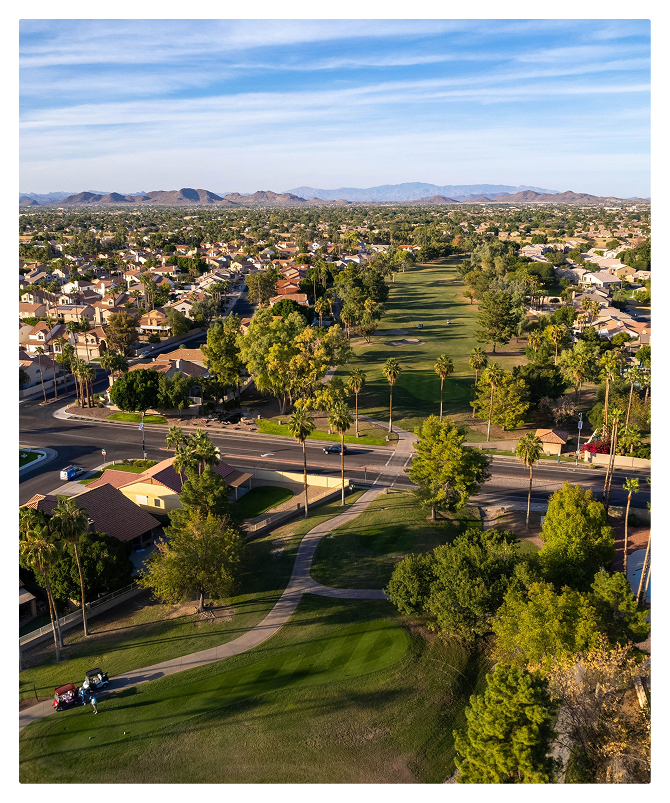
Nearby West Valley Bird-Control Service Areas
Bill’s also provides bird and pigeon control information for nearby West Valley communities.
Local Experience Without a One-Size-Fits-All Approach
Bill’s Pest Termite Control is a family-owned, locally operated Arizona company with three generations of service experience. Bird-control recommendations are based on what the technician finds on the property rather than automatically prescribing the same product for every problem.
Free inspections, hassle-free quotes and second opinions give property owners an opportunity to understand the scope before deciding how to proceed. Warranty availability and terms depend on the specific service, materials and treated areas and should be reviewed with the written proposal.
What a Good Bird-Control Proposal Should Explain
- Where birds are landing, entering, roosting or nesting
- Why the recommended method fits those locations
- Which areas of the property are included and excluded
- Relevant preparation, maintenance, follow-up and warranty terms
Frequently Asked Questions About Bird Control in Buckeye, AZ
The right answer depends on the species, nesting status, structure, access and severity of the activity.
Start With the Areas Where the Birds Keep Returning
Whether the problem involves pigeons beneath solar panels, nesting around a tile roof, droppings on a patio or birds occupying a warehouse canopy, an inspection can identify the pressure points and help determine the next practical step.